
RECHERCHE
Prise de risque : l’information sur les conséquences de ses choix ne rendrait pas les décisions plus rationnelles

Le concept de « feedback », correspond au fait de recevoir un retour sur les conséquences de ses décisions via le résultat de ces dernières. Il est généralement perçu comme un moyen d’apprendre de ses erreurs et d’améliorer ses choix futurs. Pourtant, une nouvelle étude menée par une équipe de scientifiques dirigée par Stefano Paminteri chercheur au Laboratoire de Neurosciences Cognitives et Computationnelles, montre que le feedback pourrait, au contraire, augmenter la prise de risque sans rendre les décisions plus optimales.
Ces résultats, publiés dans Nature Communications, invitent à repenser le rôle du feedback dans la prise de décision en contexte de risque, notamment dans des domaines aussi variés que la finance, la santé ou les politiques publiques.
Lire l'article
Le genre grammatical influence-t-il notre pensée ?

Dans un TED Talk visionné plus de 15 millions de fois, la chercheuse américaine Lera Boroditsky dresse un bilan de ce que l’on sait au sujet de l’influence de la langue que nous parlons sur notre pensée. L’un des traits linguistiques dont elle parle est le genre grammatical. Par exemple, le mot pont est masculin en espagnol (el puente) et féminin en allemand (die Brücke) ; les locuteurs et locutrices espagnol·es décriraient les ponts plutôt comme étant longs et forts, des mots stéréotypiquement masculins, tandis que les locuteurs et locutrices allemand·es les décriraient plutôt comme étant jolis et élégants, des mots stéréotypiquement féminins.
Aucune étude attestant de cet effet n’ayant cependant été publiée, une équipe de recherche a examiné le lien potentiel entre genre grammatical et conceptualisation mentale dans trois expériences. Les résultats viennent de paraître dans le journal Cognitive Science.
Lire l'article
Vivre avec l’IA ? Comment cohabiter avec des machines produisant des contenus ressemblant parfois à ceux d’humains ?

Le développement rapide de l'intelligence artificielle interroge tous les champs de la connaissance. Roberto Casati, Piera Maurizio, Quentin Coudray, Alda Mari et Gloria Origgi de l’Institut Jean Nicod publient la note scientifique « Living with AI, A Philosophical Toolkit for Navigating the Conceptual Challenges of Artificial Intelligence Systems ». Celle-ci propose des recommandations de politique publique ayant pour objectif de redéfinir la manière dont sont appréhendés les systèmes d’intelligence artificielle.
Lire l'article
Comment entendons le vivant autour de nous ?
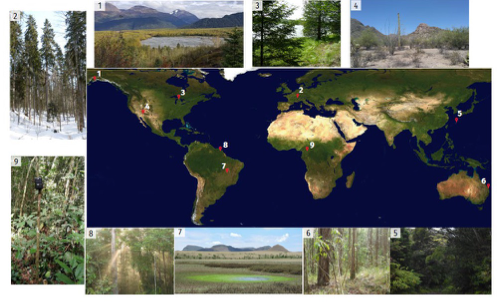
Depuis cinq ans, Christian Lorenzi et son équipe mènent au Laboratoire des Systèmes Perceptifs des projets de recherche sur l'écologie auditive humaine - un programme de recherche en sciences de l'audition qui étudie les interactions entre les êtres humains et leur environnement acoustique et plus particulièrement l'environnement sonore naturel - en collaboration avec le Museum national d'Histoire naturelle à Paris et l'IRL iGlobes en Arizona.
Comment entendons-nous le vivant ? Deux études récemment publiées apportent un nouvel éclairage sur notre compréhension des mécanismes perceptifs mis en oeuvre dans l'écoute de la composante biologique de notre environnement sonore.
Lire l'article
PRIX
INTACT, un outil de veille pour détecter l’urgence sur les réseaux sociaux

Directrice de recherche CNRS à l’Institut Jean Nicod de l’ENS-PSL, Alda Mari est spécialiste de sémantique formelle. Forte d’une double formation en lettres classiques et en linguistique computationnelle, elle s’intéresse depuis près de quinze ans à la distinction entre vérité subjective et vérité objective et plus particulièrement à l’expression des biais et des croyances dans les situations d’incertitude.
Rencontre avec Alda Mari, lauréate de la Médaille de l'innovation 2025 du CNRS, autour du projet INTACT et d’un « prix qui montre que la recherche en Sciences Humaines et Sociales (SHS) a toute sa place dans l’innovation ».
Lire l'article
Philippe Schlenker, lauréat du Prix Humboldt 2025

Chaque année, la Fondation Alexander von Humboldt décerne des bourses de recherche à des scientifiques de renommée internationale, toutes disciplines confondues, en reconnaissance de leurs parcours. Philippe Schlenker est lauréat du prix 2025, une reconnaissance de l'ensemble de ses travaux en linguistique.
Directeur de recherche CNRS à l’Institut Jean Nicod, directeur de l’équipe Linguae, global distinguished Professor à l'université de New York, et spécialiste de la signification, Philippe Schlenker a reçu la médaille d'argent du CNRS en 2021.
Lire l'article
ENSEIGNEMENT

Apprendre à enseigner, réfléchir sa matière
Emilie-Jade Laguilliez Jankovski est normalienne étudiante au master de sciences cognitives. La jeune femme a créé le séminaire transdisciplinaire "Apprendre à enseigner, Réfléchir sa matière" ouvert à tous les étudiants et toutes les étudiantes de l'ENS qui se destinent à l'ensignement.
Rencontre avec une future enseignante passionnée, convaincue de l'importance de former aux pratiques pédagogiques justifiées par la recherche, pour une meilleure préparation à l'enseignement.
Lire l'article
DANS LES MÉDIAS
Gloria Origgi : "L'affaire Epstein va favoriser les partis populistes, critiques des élites"

Retour sur l'affaire Epstein, "scandale du siècle" et symbole de l'impunité aux yeux du grand public, qui a aussi conforté les complotistes dans leurs certitudes. Quelles conséquences sur la confiance dans les élites, dans la classe politique, après cela ? Quel impact sur nos démocraties ?
La philosophe Gloria Origgi, autrice de "La vérité est une question politique" (Editions Albin Michel, 2024), specialiste de la reputation et du complotisme, était l'invitée d'Au Cœur de l'Info sur France 24.
Ecouter l'émission
La philosophe a également participé à l'émission "L'invité de 8h20" sur France Inter.
À VOIR
Écrans : quel impact réel sur les enfants et sur les ados
Par Franck Ramus, directeur de recherche CNRS au Laboratoire de Sciences Cognitives et Psycholinguistique, dans le cadre des conférences du Paris-Saclay Summit Choose Science.
Un échange animé par Nicolas Bastuck, journaliste au Point.
QUELQUES PUBLICATIONS RÉCENTES
Alain de Cheveigné (2026). Spatial Filters - In Search of the Virtual Electrode
Journal of Neuroscience, 46 (7) e0971252026.
doi:10.1523/JNEUROSCI.0971-25.2026
Résumé :
A spatial filter combines signals from multiple sensors to create a virtual channel that emphasizes specific brain activity while reducing interference. Spatial filters range from simple, fixed configurations-such as rereferencing, gradient, or Laplacian filters-to more sophisticated, data-driven approaches like beamforming or independent component analysis (ICA). Although the underlying principle is simple, understanding a spatial filter's behavior can be challenging because of the high dimensionality of the data and the multiple "spaces" involved-those of sources, sensors, fields, and signals. This paper examines the properties and limitations of spatial filters, focusing on the idea of a virtual electrode-a synthetic signal formed by combining channels from noninvasive techniques such as EEG or MEG. While a spatial filter can fully suppress some sources, it cannot perfectly isolate a single source while rejecting all others, as a real electrode could. This places clear limits on what a virtual electrode can represent. I here suggest an alternative view of it as a virtual scalpel-a tool for refining recorded data rather than capturing activity of a single neural source. Just as temporal filters shape signals over time, spatial filters are key tools for improving the clarity and interpretability of brain recordings.
Dubourg, E. & Scrivner, C. (2026). Vulnerability and the computational logic of fear: insights from the horror genre. Evolution and Human Behavior, 47(1), 106813. doi:10.1016/j.evolhumbehav.2025.106813
Résumé :
Fear is a universal feature of storytelling, yet the structural conditions that make fictional threats compelling remain poorly understood. Here, we propose the Protagonist Vulnerability Index (PVI), an evolutionarily grounded computational approach to explain why some narratives evoke stronger fear responses than others. PVI quantifies protagonist vulnerability by assessing the imbalance in formidability between protagonists and antagonists and the risk of attack faced by the protagonist. Across 691 films, higher PVI values predicted classification as horror, the presence of fear-related keywords in non-horror films, and stronger physiological fear responses indexed by heart rate. Linking film preferences to psychological and demographic data from more than 3.5 million individuals on Facebook, we found that preference for high-PVI films was associated with lower agreeableness, conscientiousness, and extraversion, and with higher openness. Openness moderated the negative association between neuroticism and engagement with fear-related content, indicating that curiosity can counteract threat avoidance in anxious individuals. These findings clarify the structural and psychological conditions that activate evolved threat-management systems. The results show how horror operates as a narrative simulation of extreme formidability asymmetry, and provide a framework for predicting, and potentially engineering, fear in fiction.
Cleret de Langavant, L., Mouton , A., de Gardelle, V., Kouider, S., Bachoud-Levi, A., Fenelon, G. & Remy, P. (2026). Visual misperceptions in favour of living beings in Parkinson's disease: A psychophysical study. Revue Neurologique.doi:10.1016/j.neurol.2025.12.005
Résumé :
Background
Parkinson's disease (PD) patients often report seeing persons or animals rather than objects but this phenomenon remains poorly understood. Here, we use three experimental tasks to confirm such observation and to explore its cognitive mechanisms.
Method
Fourteen PD patients with visual hallucinations (PD-VH), 14 PD patients without visual hallucinations (PD-NVH) and 14 controls with similar cognitive performance were tested using ambiguous stimuli. Ambiguous stimuli were morphs in which visual features from faces and flowers were melted together (Experiments 1 and 2) and a black and white picture where a Dalmatian dog was hidden (Experiment 3). In Experiment 1, participants categorised ambiguous stimuli either as face or flower. In Experiment 2, they were shown an ambiguous stimulus, then a mask, and finally two ambiguous stimuli, one of which was identical to the first stimulus. In this discrimination task, participants chose which of the two last stimuli had been presented before. In Experiment 3, participants guessed the items hidden in the picture. We assessed group differences for categorisation with logistic modelling and computed sensitivity index and criterion psychophysical measures in Experiments 1 and 2. The ratio of living beings identified in the Dalmatian dog task was compared across groups.
Results
In the categorisation task, the PD-VH group tended to use a smaller proportion of visual features (point of subjective equality [PSE] = 41.5%) to label a stimulus as Face compared to PD-NVH (51%) and controls (56.2%). In the discrimination task, criterion c was lower in the PD-VH group compared to controls (c: –0.16 vs. 0.27; P = 0.005). In the Dalmatian dog task, the PD-VH group reported seeing livings beings more frequently than controls (P = 0.040). A bias towards living beings was confirmed in the PD-VH group in the three tasks, and a bias toward non-living beings was measured in controls in the discrimination task.
Interpretation
Observing that controls exhibited bias toward non-living beings in the discrimination task, we suggest that impaired top-down control over perception processes explains the bias toward living beings in PD-VH visual misperceptions.
Miller-Viacava, N., Apoux, F., Ferriere, R., Friedman, N. R., Mullet, T. C., Sueur, J., Willie, J. & Lorenzi, C. (2026). Modulation statistics of natural soundscapes. Journal of the Acoustical Society of America, 159, 1263-1289.doi:10.1121/10.0039892
Résumé :
Modulation statistics of "natural soundscapes" were estimated by calculating the modulation power spectrum (MPS) of a database of acoustic samples recorded in nine pristine terrestrial habitats for four moments of the day and two contrasting periods, differing in precipitation level. In particular, a set of statistics estimating low-pass quality, starriness, separability, asymmetry, modulation depth, and 1/ftα temporal-modulation power-law relationships were calculated from the MPS of the samples and related to geographical, meteorological factors and diel variations. MPS were found to be generally low-pass in shape in the modulation domain with most of their modulation power restricted to low temporal (<10-20 Hz) and spectral modulations (<0.5-1 cycle/kHz). Modulation statistics were distinguished between habitats irrespective of moment of the day and precipitation period with a greater role of modulation depth and starriness. Separability and starriness were found to be related to the global biodiversity decrease from tropical to polar regions, suggesting that the lack of joint high spectral and fast temporal modulations and MPS complexity are important features that may characterise "biophony," the collective sound produced by animals in a given habitat. These findings may help guide research on monitoring auditory behaviours and underlying mechanisms expected to exploit regularities of natural scenes.
Tey KJ, Walker S, Seidl A, Scaff C, Peurey L, Kelleher BL, Havard W, Hamrick L, Grosjean P, Cychosz M, Colleran H, Casillas M, Bergelson E, Hitczenko K, Cristia A. (2026). The Development of Canonical Proportion as a Function of Community, Multilingualism, and Target Language's Syllable Complexity. J Child Lang.doi:10.1017/S0305000926100476. PMID: 41709412.
Résumé :
This study investigates the development of canonical proportion (CP), an indicator of speech development, across diverse language and environmental contexts. Using the Speech Maturity Dataset (SMD) comprising 366 children, aged 0;2-6;4, across 10 different languages and cultures, we explore the influence of multilingual exposure, language syllable complexity, and community type (industrialised, non-industrialised) on CP. We find that monolingual children display higher CP measures than their multilingual peers. In addition, CP is higher for children learning languages with simple syllable complexity than those with more complex syllables. We also find no significant differences in the CP trajectory of children from industrialised versus non-industrialised communities. Integrating these findings in the broader literature, we highlight the importance of diversifying participant samples to capture the complex relationship between language exposure, social environment, and language development.
Xiao, X., A. Cremers, C. Straboni, B. Strickland & S. Peperkamp (2026). The influence of grammatical gender on object conceptualization is weak and language-dependent. Cognitive Science.
Résumé :
Do we make gendered associations with objects whose linguistic labels have masculine/feminine grammatical gender? This question derives from the neo-Whorfian view that language shapes our conceptualizations of the world. Previous research has provided mixed answers. Here, we present three experiments where we tested for the gender effect on object conceptualization using a word association approach: a first group of participants generated adjectives for nouns referring to objects, and a second group subsequently rated those adjectives for masculinity/femininity. In Experiment 1, with native French speakers, we tested semantically related object nouns that have opposite grammatical gender (masculine vs. feminine) in French; in Experiment 2, with native French and German speakers, we tested translation equivalents having opposite grammatical gender in the two languages. Results from both experiments showed the absence of a gender effect in French, while a small gender effect was found in German. In both experiments, nouns had been presented with a gender-marked determiner. In Experiment 3, we tested a new group of German participants on the same items, which were now presented without a determiner; we again observed a small gender effect. Consistent with previous findings, we also found that people ascribe more feminine qualities to natural entities and masculine qualities to artificial entities. Taken together, we conclude that the influence of grammatical gender on object conceptualization is weak and dependent on language.
AGENDA
Au DEC

Retrouvez les événements organisés par le DEC dans l'agenda du département.
Les séminaires et les conférences sont accessibles sur la chaîne youtube du département, le site des Savoirs de l'ENS, la chaîne youtube de l'école.
À l'ENS
SEMAINE DU CERVEAU 2026 À L'ENS

Du lundi 16 au samedi 21 mars, à l’occasion de la Semaine du cerveau, l’Ecole normale supérieure-PSL propose une riche programmation de conférences, pour tous les publics. Comment notre oreille perçoit-elle les paysages sonores ? Comment expliquer les différences de personnalités ? Comment prenons-nous nos décisions quotidiennes ? Comment s’est formé notre système nerveux ? Quel rôle pour les sciences cognitives dans la recherche sur la maladie de Huntington ?
Une semaine de rencontres proposées par les chercheuses et chercheurs du Département d’études cognitives et de l’Institut de biologie de l’Ecole normale supérieure, qui se conclut samedi 21 mars avec une séance spéciale de Petites Exploratrices, Petits Explorateurs de la connaissance – les conférences pour enfants de Normale Sup’ - qui expliquera à toute la famille comment prendre soin de son cerveau.
Entrée gratuite mais inscription obligatoire :
Inscription pour les conférences de la semaine
Inscription pour la conférence enfants
.